Bespoke WordPress website design

Your website designed first. WordPress where it fits.

Probeck designs responsive websites around your brand, audience and goals, then uses WordPress as the content-management platform when it is the right foundation.

The starting point is your business and its customers, not a ready-made theme.

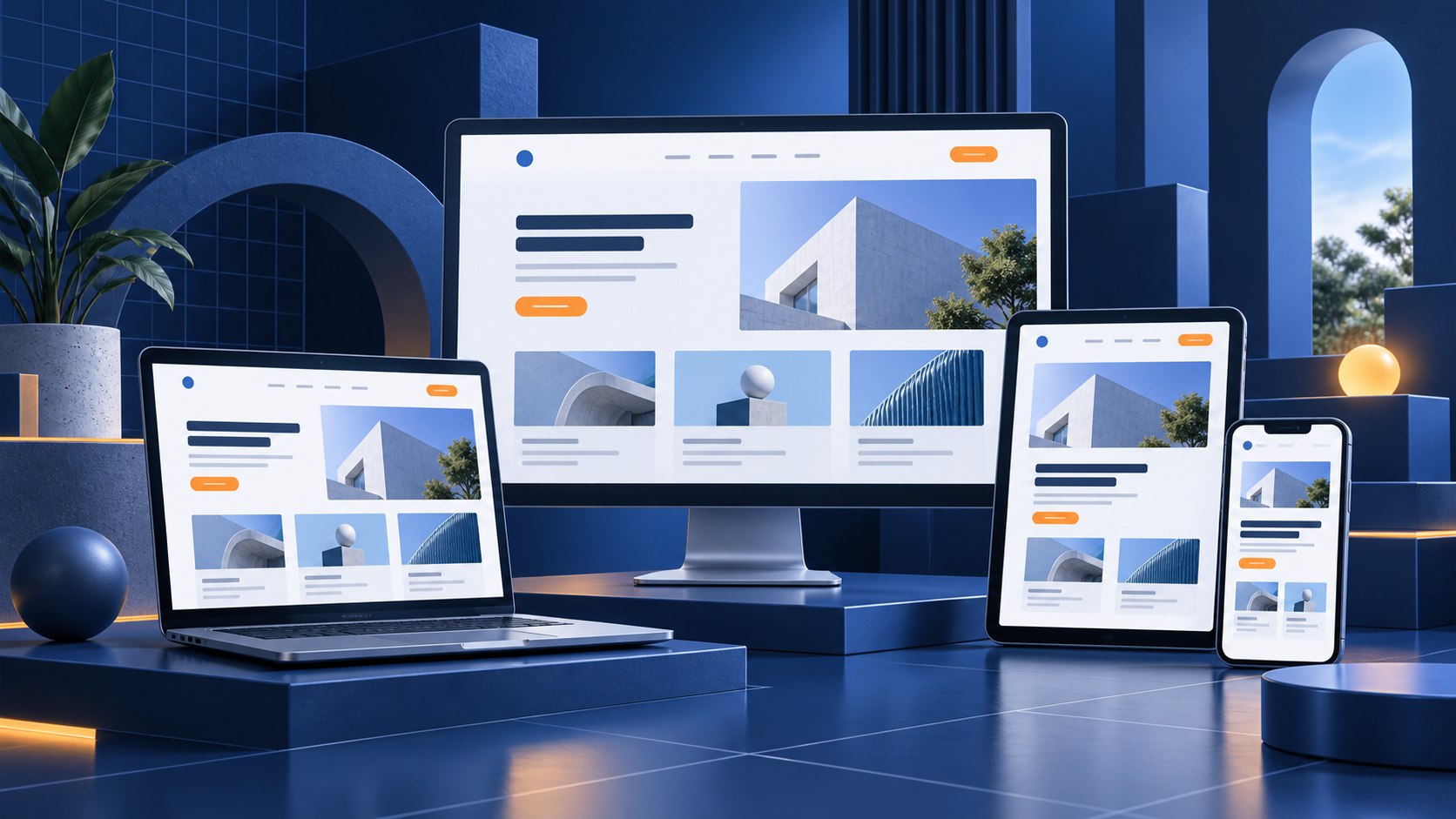
Responsive website layout concept displayed across desktop, tablet and mobile screens

Previous work

WordPress selected and shaped around real content requirements.

Career Corner and Cooling Castle Barn show how collaborative design, reusable templates and carefully chosen functionality can make WordPress practical for the people managing the website.

WordPress website & e-commerce

Career Corner

A collaborative website design developed in WordPress with reusable blog templates, WooCommerce and Stripe.

Outcome: Debbie can publish consistently and manage website content while customers can purchase products online.

Read the case study

Website redesign & migration

Cooling Castle Barn

A Squarespace to WordPress migration with a modern venue design and reusable content templates.

Outcome: The team can manage articles and supplier records while randomised ordering gives suppliers a fair opportunity to appear prominently.

Read the case study

Why WordPress?

An established way to manage the right content.

WordPress can be a practical foundation for a business website where content needs to be managed without rebuilding the underlying system.

It has an established content-management system, a familiar ecosystem and room for appropriate functionality. The editing experience can be shaped around the content people actually need to change.

That does not make WordPress right for every project. Platform choice should follow the content, functionality, maintenance and integration requirements.

Manageable content

Agree which pages, images and records your team should be able to update.

Responsive development

Build layouts that adapt to the devices your visitors use.

Appropriate functionality

Select or build features because they fit the requirement, not simply because a plugin exists.

Ongoing support

Plan hosting, maintenance, updates and future changes beyond launch.

Bespoke does not mean a template

Design around the customer journey before choosing the building blocks.

A theme-led shortcut

  1. 1Choose a theme
  2. 2Replace the logo
  3. 3Fit the content into it

This can suit a simple, budget-led need, but the layout and assumptions come first.

A bespoke WordPress project

  1. 1Understand the business
  2. 2Design around the brand and customer
  3. 3Build the agreed design in WordPress

The business, audience and goals shape the design; WordPress supports the finished website.

When WordPress is not the answer

Use a different approach when the requirements call for it.

Complex application-like functionality, unusual workflows, bespoke data or deep integrations may be poorly served by standard CMS and plugin combinations.

A custom technical approach may give the important parts of the project a cleaner foundation. In some cases, a WordPress website can also sit alongside a separate application.

How it works

A collaborative route from discovery to support.

The fuller website project journey is explained on the Website Design & Development page. This is the same six-stage process in brief.

  1. 01

    Discovery

    Understand the business, customers, goals and requirements.

  2. 02

    Design

    Develop the visual direction with you.

  3. 03

    Build

    Turn the approved design into the working WordPress website.

  4. 04

    Sign-off

    Review, test and incorporate agreed feedback.

  5. 05

    Launch

    Put the signed-off website live.

  6. 06

    Support

    Continue with hosting, maintenance and improvements.

Pricing

Bespoke WordPress websites from £2,000

The final price depends on the agreed design, page types, content, functionality, integrations and migration work.

Explore website pricing factors

What affects the project cost?

The number and variety of page layoutsBespoke design and responsive behaviourContent creation, migration and populationFunctionality, plugins and licence requirementsForms, integrations and data handlingEditing tools, testing, training and launch

Hosting, maintenance, third-party licences and future development may be ongoing costs. They should be separated clearly from the initial build.

After launch

Keep WordPress maintained.

A WordPress website needs suitable hosting, backups and planned updates. Themes, plugins and the WordPress core can change, so compatibility and responsibility need to be clear.

Maintenance is separate from content updates and future features. Agree what support includes, which licences renew and how problems or improvement requests are handled.

Explore managed hosting and maintenance

Common questions

WordPress website FAQs.

How much does a bespoke WordPress website cost?

Bespoke WordPress websites start from £2,000. The final price depends on design, page types, content, functionality, integrations, migration and testing.

Do you use ready-made WordPress themes?

The proposition on this page is bespoke design using WordPress as the content platform. Any third-party theme, framework or licensed component included in a project should be identified clearly in the proposal.

Can you build custom WordPress functionality?

Potentially, where WordPress is still a sound foundation. The requirement should be assessed before deciding whether a maintained plugin, custom development or a separate application is the better fit.

Will I be able to edit the website?

Appropriate content can be made editable. Agree exactly which pages, images and records your team needs to manage, along with permissions, guidance and any limits.

Who owns the website?

Ownership of design, custom code, content, accounts and data should be set out in the proposal and contract. Third-party themes, plugins, fonts and images may remain subject to their own licences.

Do you provide WordPress hosting?

Probeck offers managed hosting and support. The precise package, backups, monitoring, update responsibilities and pricing need to be confirmed for the project.

Does a WordPress website need maintenance?

Yes. WordPress core, plugins and themes can receive security and compatibility updates. Agree who monitors, tests and applies changes and how the site can be recovered from backup.

Is WordPress secure?

Security depends on the complete setup and how it is managed, including hosting, access controls, updates, plugins, backups and monitoring. No platform removes the need for ongoing security work.
Knowledge Centre

Understand WordPress before choosing it.